https://www.aentire.com/the-ultimate-guide-to-backpacking-gear-selection-weight-management-and-weather-preparedness/
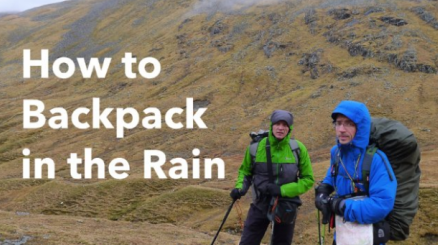
One of the most important backpacking skills is learning how to take care of yourself if you have to hike in sustained rain. Foot care, campsite selection, thermoregulation, pacing, layering, cooking, hydration, packing, and gear selection are all factors in learning how to stay happy and healthy when you get covered in mud and soaked by rain.
I remember the first long-distance backpacking trip where I had to contend with several days of heavy, continuous rain and muddy trails. It was when I was hiking Vermont’s 272-mile Long Trail, euphemistically called the longest river in Vermont because it’s often ankle-deep in water. It was then I learned the most important lesson of the trial: that the force of will can’t change reality. “It is what is it” became my mantra after I finished that trail, although I also learned a thing or two about how to cope with backpacking in the rain, which I relate below.
Top Tips for Backpacking in the Rain
1. Rain gear won’t keep you dry in sustained rain, no matter what it’s made with or how much you pay for it. It does retain a lot of warmth however if you keep hiking vigorously and generating body heat.
2. Wear an insulating mid-layer or baselayer under your rain jacket. A baselayer or a fleece mid-layer will retain heat even when they get soaked with internal condensation or sweat. While wool will still feel warm when it gets wet, synthetics and polyester fleece dry much more quickly.
3. Wear footwear that drains quickly, preferably made with lightweight synthetic mesh instead of leather boots or boots with a waterproof/breathable liner. Boots, especially leather boots, can take many days to dry out and won’t keep your feet dry when water comes in over the top, something that’s almost certain to happen when hiking through deep puddles and mud.
4. Line the inside of your backpack with a plastic bag. White plastic garbage compactor bags are best as long as they are unscented (to avoid attracting bears). Waterproof backpack covers are easily pulled off by surrounding vegetation or wind and do a poor job at keeping rain from seeping into through the seams of your backpack, shoulder straps, and hip belt.
5. Carry a trekking umbrella (with a backpack attachment system) to keep rain from falling on your head and torso. You’ll stay drier and sweat less, especially if it’s warm enough to shed your mid-layer or rain coat. Umbrellas are also good for fending off aggressive wood grouse that may chase you on forested trails.
6. Always try to keep one layer of clothing dry and tucked away deep in your backpack so you can change into it before you get into your sleeping bag or under your quilt. A long sleeve jersey, long underwear, and a dry pair of socks are ideal to help warm you up after hiking in the rain all day.
7. Dry wet or damp clothing and gear, especially your quilt or sleeping bag and tent, whenever the sun comes out. Force yourself to take a break and spread your gear out in the sun to get it back into tip-top shape.
8. Let your feet dry out every night when you sleep. If you have dry socks, put them on; otherwise, sleep with them uncovered.
9. Lubricate and massage your feet at night with Vaseline or a heavy-duty moisturizing lotion like Eucerin. This will help your skin recover at night and provide some much-needed moisture resistance the next day if you have to hike through the rain again. Vaseline is an excellent anti-chafing salve and fire starter as well.
10. Eat while hiking in the rain to keep your furnace burning and generating body heat. Stay well hydrated too, to help stave off hypothermia and remain alert.
11. If the weather sucks and you’re burned out from hiking through the muck, take a zero. Stay in your tent for a day or hike into town to dry out and refuel. You don’t have to make big miles every day.
12. If you know you will be hiking in rainy weather, get a tent that can be set up in the rain without getting soaking wet inside. Ultralight tarps are nice, but having a tent with a waterproof bathtub floor can be a real godsend if you have a crappy campsite in heavy rain. Tarptent, Gossamer Gear, Six Moon Designs, Hilleberg, and many other tent manufacturers make tents that can be set up fly first before hanging the inner tent inside.
13. Plan a few meals that don’t require cooking. While eating hot food is a good pick-me-up when you’re cold, cooking in the rain can sometimes be more of a hassle than it’s worth. Eat some fatty food, change into your dry layer, and crawl into your sleeping bag, and you’ll warm up quickly.
Conclusion
Putting on cold wet hiking socks in the morning sucks, but it is what it is. If you never hike in the rain, you’re probably missing out on a lot of hiking days. Smile and remember that hiking in the wilderness is about as free as you’ll ever be.
https://www.aentire.com/the-ultimate-guide-to-backpacking-gear-selection-weight-management-and-weather-preparedness/